

Modern Turkish Cuisine in Istanbul: A New Journey Through Traditional Flavors
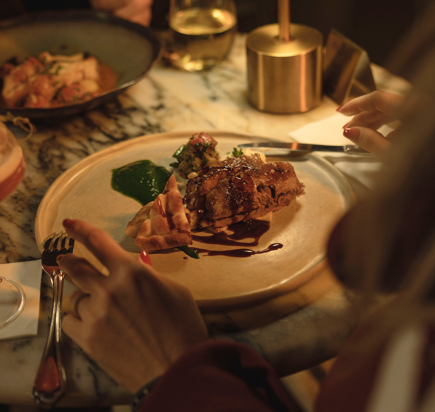
Istanbul is a city where history, culture, and gastronomy come together in extraordinary ways. Beyond its magnificent architecture, vibrant streets, and centuries-old landmarks, the city offers one of the world's most diverse and fascinating culinary landscapes.
Influenced by the rich traditions of Anatolia, the culinary heritage of the Ottoman Empire, and contemporary gastronomic innovation, Istanbul has become an exciting destination for travelers seeking memorable dining experiences.
Today, discovering Turkish cuisine in Istanbul means much more than tasting traditional dishes. It is an opportunity to explore a new generation of culinary creativity, where authentic ingredients, regional recipes, and modern cooking techniques come together.
Located within the historic Muhsinzade Han, Olden 1772 embraces this philosophy, offering a distinctive gastronomic experience inspired by the flavors of Anatolia and the culinary traditions of Istanbul.
What Is Modern Turkish Cuisine?
Modern Turkish cuisine is a contemporary interpretation of Türkiye's rich culinary heritage. It combines traditional recipes, locally sourced ingredients, and regional cooking techniques with innovative presentations and modern culinary approaches.
Rather than replacing tradition, contemporary Turkish gastronomy celebrates its origins while introducing new perspectives.
Ingredients that have shaped Anatolian kitchens for centuries, including bulgur, yogurt, regional cheeses, aromatic herbs, and slow-cooked meats, are reimagined through carefully balanced flavors and creative techniques.
Classic preparations such as tirit, keşkek, and tarhana find new expressions on contemporary menus, reflecting the diversity and sophistication of Turkish food culture.
This approach allows visitors to experience familiar Turkish flavors in unexpected ways while discovering the stories and traditions behind each dish.
The Rich Culinary Heritage of Anatolia
Anatolia has been home to countless civilizations, each contributing to the extraordinary diversity of Turkish cuisine.
From the olive oil traditions of the Aegean coast to the bold spices of southeastern Türkiye, every region offers its own ingredients, recipes, and culinary identity.
One of the defining characteristics of Anatolian cuisine is its ability to transform simple ingredients into deeply satisfying dishes.
Slow cooking, fermentation, seasonal vegetables, grains, and carefully selected herbs have played an essential role in this culinary tradition for generations.
At Olden 1772, several dishes reflect this heritage through thoughtful contemporary interpretations.
Oğlak Tirit, a dish inspired by traditional Anatolian cooking, combines slow-cooked young goat with almond rice pilaf, village-style flatbread, and salted yogurt. The result brings together textures and flavors deeply rooted in Turkish culinary history.
Slow-Cooked Beef Short Rib is served with keşkek, a traditional wheat-based dish that has held an important place in Anatolian food culture for centuries.
Another distinctive creation, Lamb Shank, is accompanied by tarhana-infused couscous, roasted pearl onions, and a rich lamb sauce. The use of tarhana, one of Anatolia's most recognizable traditional ingredients, demonstrates how familiar flavors can take on new forms.
Together, these dishes reflect a cuisine that respects its past while continuing to evolve.
The Importance of Local Ingredients in Turkish Gastronomy
Exceptional cuisine begins with exceptional ingredients.
Türkiye's diverse geography provides a remarkable variety of regional products, including artisanal cheeses, olives, grains, herbs, and spices.
These ingredients are more than components of a recipe. They represent local traditions, agricultural practices, and generations of culinary knowledge.
At Olden 1772, the selection of Anatolian cheeses introduces guests to distinctive regional varieties such as Hatay Sürk, Divle Obruk, aged Thracian Kashar, and Mihaliç cheese.
Each variety offers a different expression of Türkiye's traditional cheese-making heritage.
Other ingredients, including Antakya cracked olives, firik bulgur, regional herbs, and fermented pomegranate molasses, contribute unique aromas and flavors to the menu.
By incorporating these products into contemporary dishes, modern Turkish gastronomy creates a meaningful connection between local heritage and innovative dining.
Why Atmosphere Matters in an Istanbul Dining Experience
A memorable restaurant experience extends far beyond the food itself.
Architecture, history, ambiance, presentation, and hospitality all contribute to the way guests experience a meal.
Istanbul offers something particularly special in this regard. Throughout the city, historical buildings have been thoughtfully restored and transformed into cultural spaces, boutique hotels, and restaurants.
These locations allow visitors to experience the city's heritage while enjoying contemporary hospitality.
Olden 1772 is located within Muhsinzade Han, a historic building dating back to 1772, situated in Istanbul's Historic Peninsula.
Following its restoration, the building became home to Han 1772 Hotel and Olden 1772, which welcomes guests in its historic courtyard.
Here, the architectural character of old Istanbul provides a distinctive setting for contemporary gastronomy.
The atmosphere brings together the city's cultural heritage and modern dining, creating an experience in which history becomes part of the meal.
How to Explore Turkish Cuisine Through a Restaurant Menu
For visitors discovering Turkish gastronomy for the first time, exploring a variety of dishes can offer a deeper understanding of the country's culinary identity.
A thoughtfully selected meal might begin with regional cheeses, olive-based appetizers, or seasonal vegetables prepared with traditional ingredients.
Small plates and starters provide an opportunity to discover the diversity of Anatolian flavors before moving on to more substantial dishes.
Traditional Turkish preparations such as mantı, slow-cooked meats, and grain-based specialties can reveal different aspects of the country's culinary heritage.
At Olden 1772, guests can explore dishes such as crispy mantı, Oğlak Tirit, beef short rib, and lamb shank, each reflecting a different culinary approach.
Rather than focusing on a single familiar dish, discovering Turkish cuisine through a selection of complementary flavors can turn a restaurant visit into a broader gastronomic journey.
Olden 1772: Where Istanbul's History Meets Contemporary Gastronomy
In a city known for its remarkable dining culture, Olden 1772 offers a distinctive interpretation of modern Turkish cuisine.
Located in the historic Muhsinzade Han in Sirkeci, the restaurant brings together Anatolian culinary inspiration, thoughtfully selected ingredients, and contemporary cooking techniques.
Its setting provides an opportunity to experience Istanbul's architectural heritage while exploring dishes inspired by the country's rich gastronomic traditions.
Whether visiting Istanbul for the first time, planning a special evening, or simply looking to discover a different side of Turkish cuisine, Olden 1772 offers a dining experience rooted in both history and creativity.
Because some meals are remembered not only for their flavors, but also for the places, stories, and moments surrounding them.
Discover the flavors of Anatolia through a contemporary culinary perspective at Olden 1772.
Frequently Asked Questions
Where can I experience modern Turkish cuisine in Istanbul?
Istanbul offers a growing selection of restaurants that reinterpret traditional Turkish and Anatolian dishes through contemporary cooking techniques. Olden 1772, located in the historic Muhsinzade Han in Sirkeci, is one destination where guests can explore modern interpretations of regional Turkish cuisine.
What is the difference between traditional and modern Turkish cuisine?
Traditional Turkish cuisine focuses on recipes and cooking methods passed down through generations. Modern Turkish cuisine builds upon this heritage by introducing contemporary techniques, creative presentations, and new ingredient combinations while respecting the original culinary traditions.
What kind of food does Olden 1772 serve?
Olden 1772 offers a menu inspired by Anatolian and Turkish culinary traditions, featuring regional cheeses, crispy mantı, Oğlak Tirit, slow-cooked meats, lamb dishes, seafood, and other contemporary creations. Menu selections may change, so guests are encouraged to review the latest offerings before visiting.
Where is Olden 1772 located?
Olden 1772 is located at Mimar Vedat Street No:3, Sirkeci, Fatih, Istanbul, Türkiye, within the historic Muhsinzade Han building.
How can I book a table at Olden 1772?
Guests can make reservations directly through the official Olden 1772 website using its online reservation system.